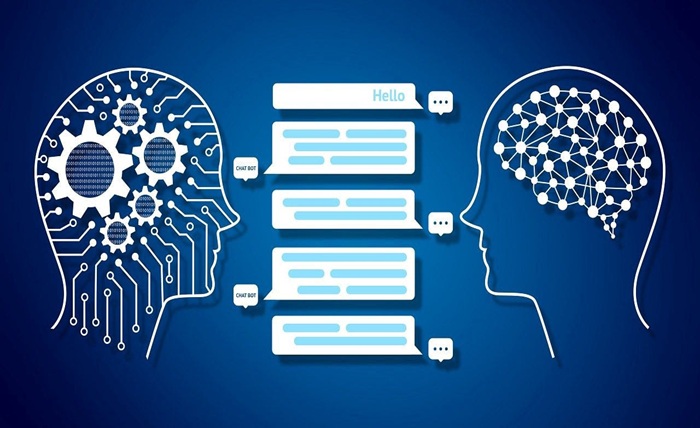
In recent years, artificial intelligence has moved beyond automation and data processing into a more personal space: conversation. AI-powered chat systems are now being used not only for customer service or productivity tasks but also for companionship, emotional support, and everyday interaction. As digital habits evolve and social dynamics shift, more people are turning to AI as a reliable and accessible form of connection.
This trend reflects broader changes in how individuals communicate, manage time, and seek interaction in an increasingly digital world.
The Growing Role of AI in Daily Life
Artificial intelligence has become deeply integrated into everyday routines. From virtual assistants and recommendation systems to chat-based tools, AI is now a constant presence in how people access information and complete tasks.
As these systems improve in natural language processing and contextual understanding, they are becoming more conversational and responsive. This has opened the door to new use cases, including informal dialogue, emotional expression, and even companionship.
Unlike traditional software, conversational AI can simulate back-and-forth interaction, making it feel more engaging and human-like. This shift has contributed significantly to its adoption beyond purely functional roles.
Accessibility and Immediate Availability
One of the primary reasons people turn to AI for conversation is its accessibility. AI systems are available 24/7, require no scheduling, and can respond instantly. In contrast, human interaction often depends on availability, time zones, or social context.
For individuals with busy schedules, limited social circles, or irregular routines, AI provides a consistent and immediate outlet for communication. Whether it is asking questions, discussing ideas, or simply passing time, users can engage with AI whenever they choose. This flexibility has also contributed to the rise of more personalized experiences, such as virtual companions or even platforms offering ai sexy girlfriend experiences like OhChat, where interactions are tailored to individual preferences and conversational styles. These platforms focus on real-time, personalised conversations that feel more interactive and engaging than traditional content.
This level of convenience makes AI particularly appealing in a fast-paced environment where time and attention are often limited.
A Judgment-Free Space for Expression
Another key factor driving the use of AI for conversation is the perception of a judgment-free environment. Many people find it easier to express thoughts, concerns, or emotions when they are not worried about being evaluated or misunderstood.
AI systems do not carry social biases in the same way humans do, and they do not react with criticism or emotional judgment. This can create a sense of psychological safety, especially for users discussing sensitive topics or exploring personal ideas.
While AI does not replace professional support or human relationships, it can serve as a low-pressure space for reflection and self-expression.
Support for Social and Emotional Needs
In some cases, people use AI as a form of emotional support. While AI does not have feelings or genuine empathy, it can simulate supportive language, offer coping suggestions, and provide structured responses that help users process their thoughts.
For individuals experiencing loneliness or isolation, even simulated interaction can offer a sense of engagement. This is particularly relevant in contexts where social interaction is limited due to remote work, geographic isolation, or lifestyle factors.
AI can also help users practice communication skills, rehearse conversations, or explore different ways of expressing themselves, which may translate into improved real-world interactions.
Personalization and Adaptive Interaction
Modern AI systems are increasingly capable of adapting to user preferences. Through repeated interactions, they can adjust tone, style, and content to better match individual needs.
This personalization creates a more engaging experience. Users may feel that the AI “understands” them better over time, even though the system is simply recognizing patterns and adjusting responses accordingly.
The ability to tailor interactions makes AI more appealing than static content or one-size-fits-all communication tools. It allows users to shape their experience based on their interests and communication style.
Platforms like OhChat are built around this model, continuously adapting interactions to create more personalised and immersive experiences.
The Influence of Digital Culture
The rise of AI-driven conversation is also influenced by broader digital trends. Social media, messaging apps, and online communities have already shifted communication toward text-based, asynchronous interaction.
AI fits naturally into this environment. It mirrors the structure of messaging platforms while adding the ability to generate responses dynamically. As a result, users who are already comfortable with digital communication are more likely to adopt AI as an extension of their existing habits.
In addition, younger generations who have grown up with digital technology may be more open to interacting with AI as a normal part of their daily lives.
Limitations and Considerations
Despite its growing popularity, AI conversation has limitations. It does not possess genuine understanding, emotions, or lived experience. Its responses are generated based on patterns in data rather than true comprehension.
This means that while AI can simulate conversation effectively, it cannot replace the depth and complexity of human relationships. Overreliance on AI for emotional support may also limit opportunities for real-world social interaction.
Privacy and data security are additional considerations. Users should be aware of how their data is stored and used when interacting with AI systems.
The Future of AI and Human Connection
As technology continues to evolve, AI is likely to play an even larger role in how people communicate. Improvements in natural language processing, voice interaction, and contextual awareness will make AI conversations more fluid and realistic.
At the same time, the role of AI is expected to remain complementary rather than substitutive. It can enhance communication, provide support, and offer convenience, but human relationships will continue to be essential for emotional depth and social connection.
The challenge moving forward will be finding the right balance—leveraging AI for its strengths while maintaining meaningful human interaction.
Conclusion
The increasing use of AI for conversation and connection reflects changes in technology, lifestyle, and communication habits. Accessibility, personalization, and the ability to provide a judgment-free space have made AI an appealing option for many users.
While it cannot replace human relationships, AI offers a unique form of interaction that fits seamlessly into modern digital life. As adoption continues to grow, understanding both its benefits and limitations will be key to using it effectively and responsibly.
As platforms like OhChat continue to evolve, AI-driven conversation is becoming a central part of how people explore connection, interaction, and digital intimacy.